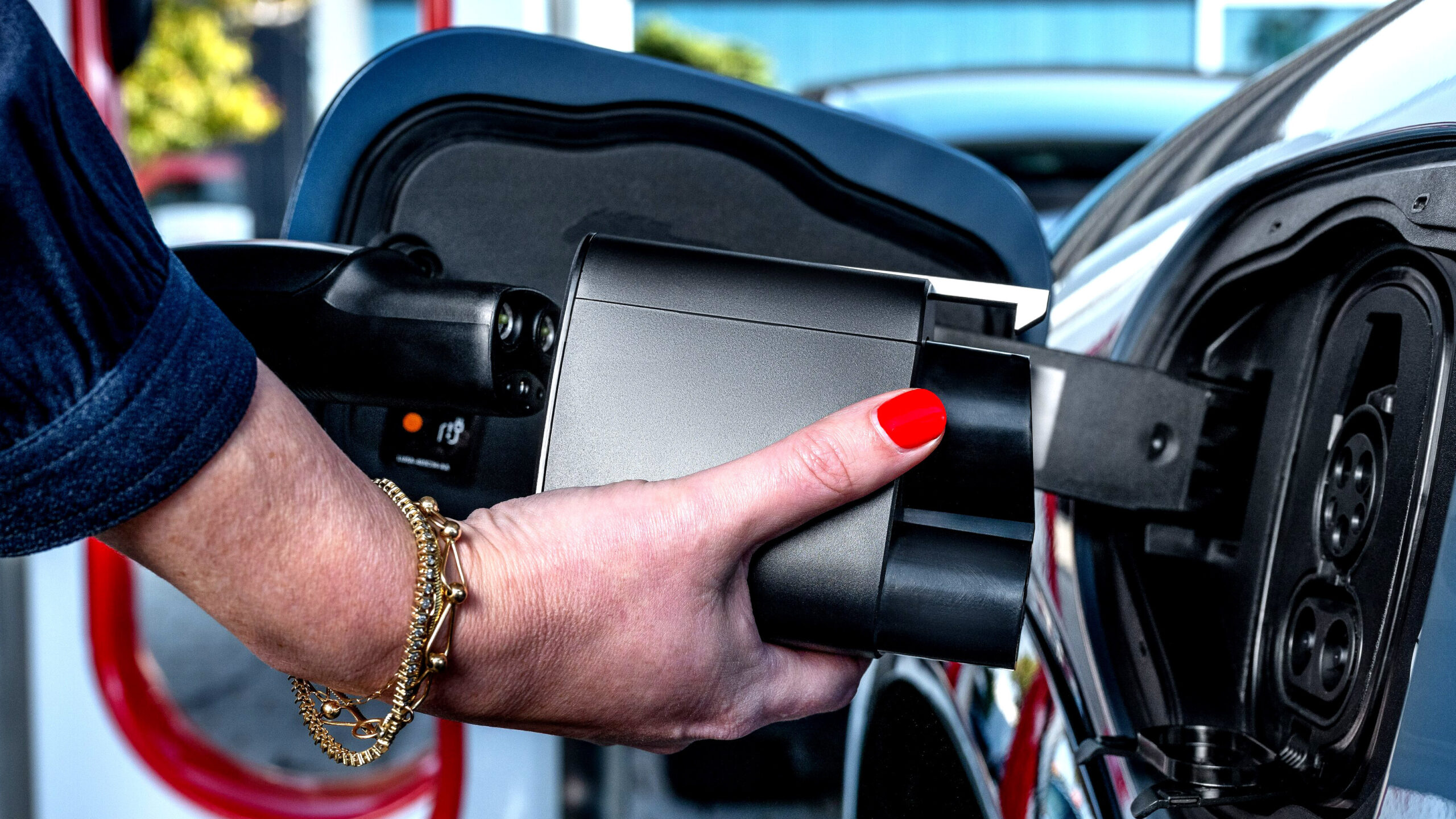
General Motors CEO Mary Barra, speaking this week at the Automotive Press Association conference in Detroit,
touched on this reality when she discussed GM’s plans for electric and hybrid vehicles.
“What we also know today with plug-in hybrids is that most people don’t plug them in,”
Barra said. “So that’s why we’re trying to be very thoughtful about what we do from a hybrid and a plug-in hybrid perspective.”
Where do they get this information and how do they represent it as such a fact? I've never known any phev owners that don't plug-in. Guess I don't get around enough. But I find this statement hard to believe at least in the United States. Of course, I've been limited to Volt and Clarity owners which had reasonably sized batteries, but those owners are pretty serious to plug in whenever it is an option. I guess maybe it is also true that gasoline and electricity breakeven prices are different than they are here. It is generally half as expensive to use electricity (off-peak residential price) as gasoline here with gasoline running $2.75 or so per gallon. We also still have a reasonable number of free level 2 chargers at workplaces and at retail shopping centers, hotels, and other commercial locations. Generally paid Level 2 public chargers are about the same or a little more expensive than gasoline, but I'll still use them if they are convenient. I guess I can see if those economics shift because gasoline is always less costly than electricity that I would change my behavior.